

A Quiet Page or a Noisy Commute?
Not long ago, I was sitting in a quiet library, flipping through a book. Across the room, someone was laughing into their headphones. Maybe they were listening to a funny audiobook.
Two people. Two ways to take in a story.
It made me think: When it comes to reading vs. listening, is one better than the other?? Especially regarding remembering what you’ve learned, getting things done, or even picking up a new language?
I dug into the research, and here’s what I found.
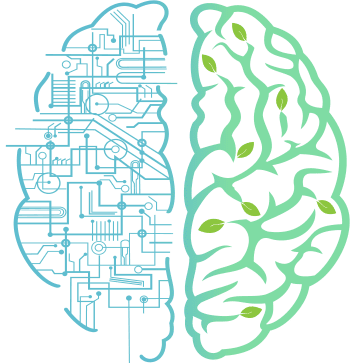
What Happens in Your Brain During Reading vs. Listening
Reading and listening may seem similar. After all, they both tell stories and teach us things. But under the hood, your brain works a little differently with each one.
When you read, your eyes scan the words on the page, and your brain kicks in to make sense of them, kind of like putting together a puzzle. Behind the scenes, a part of your brain called the fusiform gyrus helps recognize the shapes of letters and turn them into meaningful words. It’s like a quiet translator working in the background.
When you listen, it’s like tuning in to a story on the radio. Your brain shifts gears and uses the auditory cortex to process what you hear. This part doesn’t just catch the words—it picks up the tone, rhythm, and emotion in someone’s voice. It turns listening into a more immersive, almost musical experience.
Both reading and listening tap into the brain’s language network, but each one brings its own strengths to the table.
Reading is more focused and visual. Listening is more immersive and emotional.
Your Inner Voice: The Unsung Hero of Memory
Have you ever read something and heard your own voice saying the words in your head? That’s called inner speech, and it plays a big role in how we learn and remember.
Psychologists like Vygotsky believed this voice helps us stay on track, rehearse information, and make sense of what we read. It’s like having a silent coach walking you through each sentence.
When we listen to books, we don’t always use that inner voice in the same way—unless we make a conscious effort to pause and reflect. That’s one reason why reading often leads to better memory.
You’re not just reading words—you’re talking through them, quietly, in your mind.
Which One Helps You Remember More?
If you want to retain details, learn complex ideas, or study for an exam, reading usually has the upper hand.
That’s because reading allows for:
Re-reading tricky parts
Taking notes or highlighting
Slower, focused engagement
Listening is great for getting the big picture, but if you’re not paying close attention, it’s easy for details to fly over your head.
So while listening is a good way to soak up stories or review what you already know, reading helps you dig deeper and hold onto information longer.
Multitasking: A Win for Listening?
Let’s face it—we’re busy. And that’s where audiobooks shine.
You can tune in while you clean, walk the dog, or drive to work. It turns “dead time” into learning time. But don’t be fooled—multitasking has its limits.
If your other task needs focus (like writing an email), your brain can’t fully absorb what you’re listening to. Research shows your brain turns down other senses when it’s zeroed in on something. So if you’re listening to a podcast while reading the news, you’re likely missing parts of both, it’s like juggling too many balls and dropping a few without even noticing.
The takeaway?
Audiobooks are great for passive tasks. But for deep understanding, it’s best to give the content your full attention—whether you’re reading or listening.
Language Learning: Read It or Hear It?
Learning a new language? Both reading and listening are helpful—but in different ways.
Listening trains your ear for the sound of the language. You hear accents, rhythm, and natural speech.
Reading teaches you how words are spelled, how sentences are built, and what grammar looks like in action.
And once again, inner speech plays a part. When you read in another language, your brain tries to “sound out” the words internally. It’s like practicing without speaking out loud.
Want to get the best of both worlds? Try reading while listening to the audiobook. You’ll absorb how the language looks and sounds at the same time.
So, What’s the Best Way to Learn and Stay Productive?
Here’s the truth: there’s no one-size-fits-all answer.
It depends on what you’re trying to do and how you learn best.
If you want to…
Focus deeply and remember more → Pick up a book.
Make use of downtime → Press play on an audiobook.
Learn a language → Mix both, and add in repetition and reflection.
Build habits → Combine formats—read at home, listen on the go.
And always stay engaged. Whether you’re reading or listening, don’t just go through the motions. Stop and think. Let your inner voice do its job.
Final Thoughts: Let the Story Stick
So in the debate of reading vs. listening, the answer often depends on your goals, whether it’s learning, memory, or productivity.
In the end, what matters most isn’t how you take in a book, but what you take from it.
Whether you’re flipping pages or listening with earbuds, the key is to be present. To connect the dots. To pause and reflect.
That’s how memories are made.
That’s how knowledge sticks.
And that’s how books—whether read or heard—leave a lasting mark.