Enhancing Brain health in a digital world has quietly become one of the defining challenges of our time. If pollution had a new face today, it would not be smoke rising from chimneys or plastic drifting across an ocean. It would be something quieter, weightless, and everywhere.
It would be information.
We carry it in our pockets, we wear it on our wrists, and it pours at us from screens, speakers, and the tiny red dots we can never resist tapping. Escaping it is almost impossible. And as scientists recently argued in Nature Human Behaviour, this constant stream behaves like a subtle form of environmental pollution: invisible, unregulated, and powerful enough to cloud our clarity.
Welcome to the age where brain health in a digital world has become a survival skill.
The New Overload
The numbers alone feel dizzying. Over a billion websites exist, countless videos appear every minute, and social platforms move at a pace where posts vanish faster than the eye can track. No wonder so many people feel like they are constantly keeping up with the world, even as the world outruns them.
The average American now spends over 13 hours a day with screens. In the UK, the number is more than seven and a half hours. That is not a lifestyle , it is a full-time job layered on top of another full-time job.
And with so much content pouring in, any single piece of information becomes a drop in the ocean. The important gets diluted, the meaningful becomes hard to spot, and the mind grows tired long before the day ends.
What Happens Inside a Busy Brain
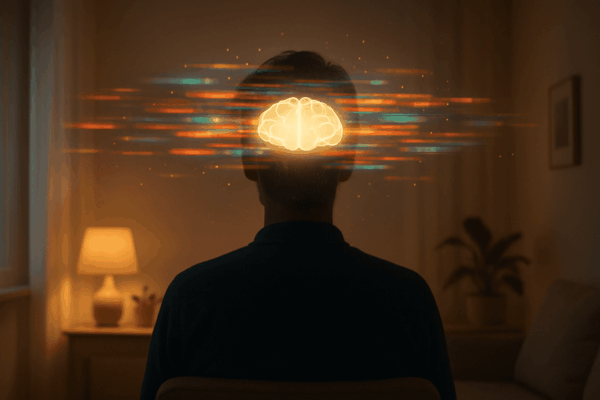
The brain thrives on rhythm and gentle pacing , the mental equivalent of a well-lit path. But modern life delivers something closer to a strobe light. Alerts flash, messages ping, thoughts scatter. Before long, you find yourself caught in the loop, checking your phone, closing it, and reopening it ten seconds later without knowing why.
All that switching is costly. Research shows it can drain up to 40 percent of your productive time. When the mind cannot cut through the noise, focus slips, memory weakens, and decisions begin to wobble.
This is where brain fog settles in , that hazy, cotton wool feeling where thinking feels heavier than it should be. It’s not a flaw. It’s a symptom of constant overstimulation.
The Body Reacts Too
Information overload isn’t just mental; it’s physical.
Continuous scrolling raises stress hormones like cortisol and adrenaline, nudging the body into a low-grade fight-or-flight mode. That’s why a simple question at the end of the day “What do you want for dinner?” arrives at the wrong moment and feels like a crisis.
It’s also why people increasingly feel digital fatigue: a tiredness that sits behind the eyes and weighs down the shoulders, built from hours of switching, scrolling, and deciding.
Sleep also pays the price. It’s rarely just blue light that keeps us up, it’s the endless novelty, the emotional spikes, the urgency to stay connected even as the body begs for rest. Without deep sleep, the brain cannot wash itself clean, and clarity fades with it.
Eventually, you reach a point where you feel at the end of your rope, even if nothing dramatic has happened. The overload itself becomes the event.
The Decline of Discernment
As the pace of modern life accelerates, protecting brain health in a digital world requires more than willpower. It demands intentional design.
Perhaps the most worrying effect of information pollution is on discernment — the ability to separate what matters from what merely arrives.
When everything feels urgent, almost nothing is.
Researchers comparing modern information habits to major historic shifts warn that constant input can blur judgment, erode emotional health, and weaken group decision-making. In professions where clarity is critical, finance, education, healthcare, this isn’t just inconvenient. It’s consequential.
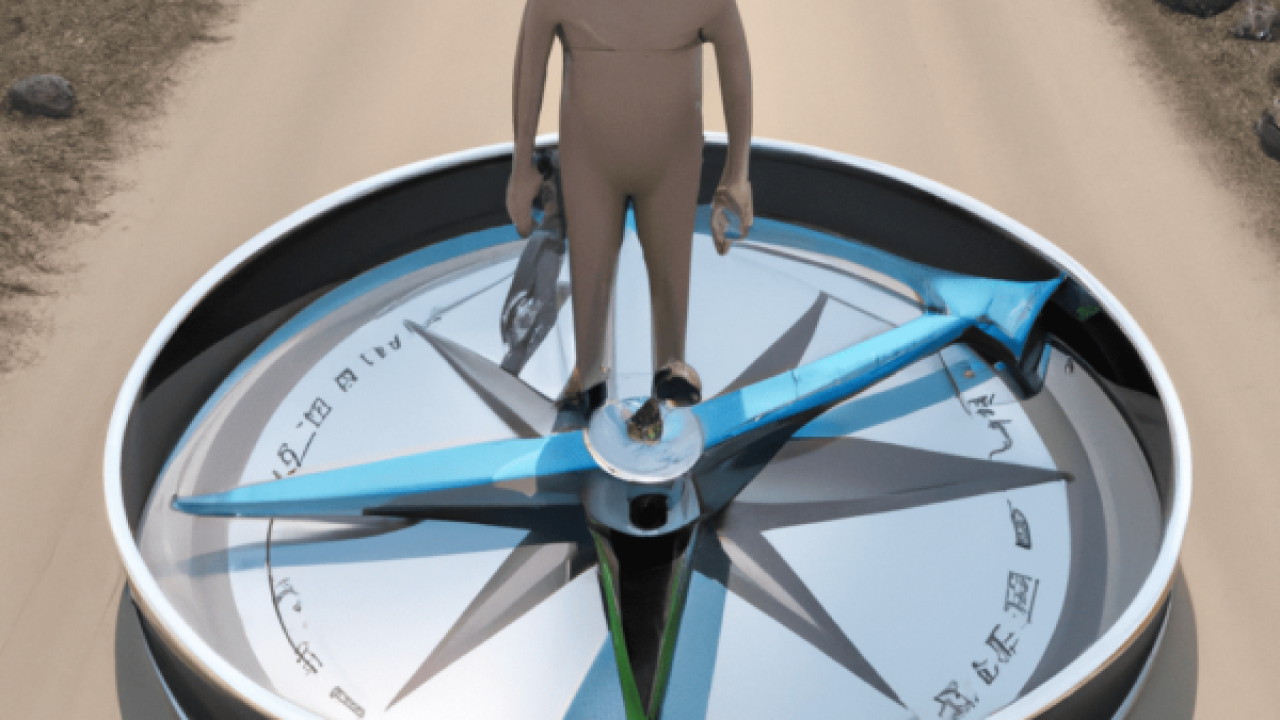
Sometimes the only way forward is to step back, breathe, and choose what to ignore.
The Brain–Tech Tug of War
Technology is not the enemy. It is the landscape we live in. The challenge is that it offers more than the brain can metabolize.
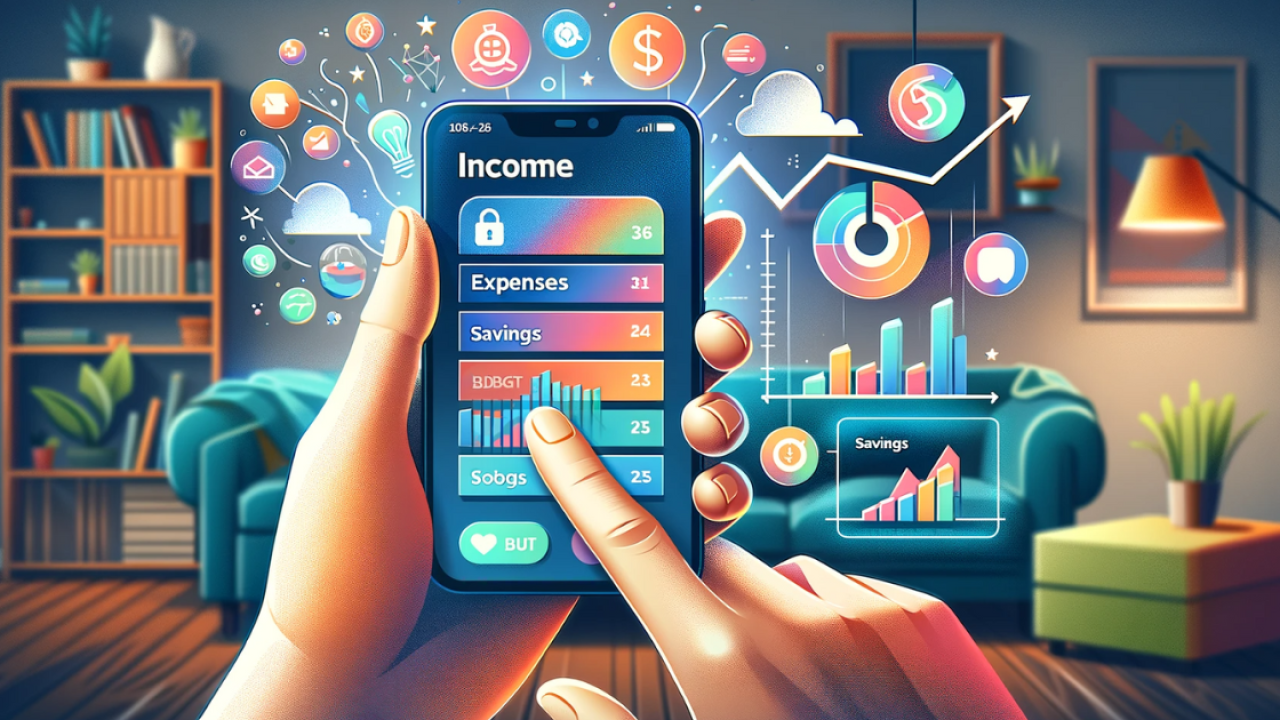
Even helpful tools, like fitness trackers worn by one in five adults, add new streams of metrics to check. Useful? Certainly. But also one more tap, one more glance, one more thing on the mental dashboard.
Before long, you find yourself with too much on your plate, not because life became harder, but because information became heavier.
This is why the principle of less is more matters more than ever. Simplicity isn’t old-fashioned. It’s protective.
Protecting Brain Health in a High-Information World
A calmer mind isn’t created by escaping information. It’s created by learning how to filter out what doesn’t nourish you.
Below are science-supported ways to protect clarity in a world that rarely slows down.
Create Space for the Mind to Breathe
This is the foundation.
If you don’t reduce the incoming noise, nothing else works.
- Monotask — one task, one focus, one direction.
- Reduce inputs — fewer apps, fewer tabs, fewer sources.
- Capture ideas quickly so your mind can stay clear.
Why it’s essential:
It immediately cuts down cognitive load and prevents overwhelm before it starts.
2. Build an Attention-Friendly Environment
Your surroundings shape your brain more than your willpower ever will.
- Turn off non-essential notifications.
- Clean your home screen.
- Batch messages so you stop shifting gears every two minutes.
Why it’s essential:
Changing the environment changes behavior automatically, without relying on discipline.
3. Protect the Body, Protect the Mind
Brain health is whole-body health.
- Prioritize sleep.
- Move daily.
- Eat for steady energy and clearer thinking.
Why it’s essential:
When the body is tired, inflamed, or under-rested, no productivity system will save your focus.
The Future Is Filtration
The world will not slow down. The stream of information will only grow stronger. But our ability to navigate it can grow stronger, too.
The future belongs to those who can filter out the unnecessary, who protect their clarity like a precious resource, who choose presence over pressure and attention over automation.
Protecting brain health in a digital world isn’t about isolation.
It is about carrying information with intention, gently, wisely, and just enough.